
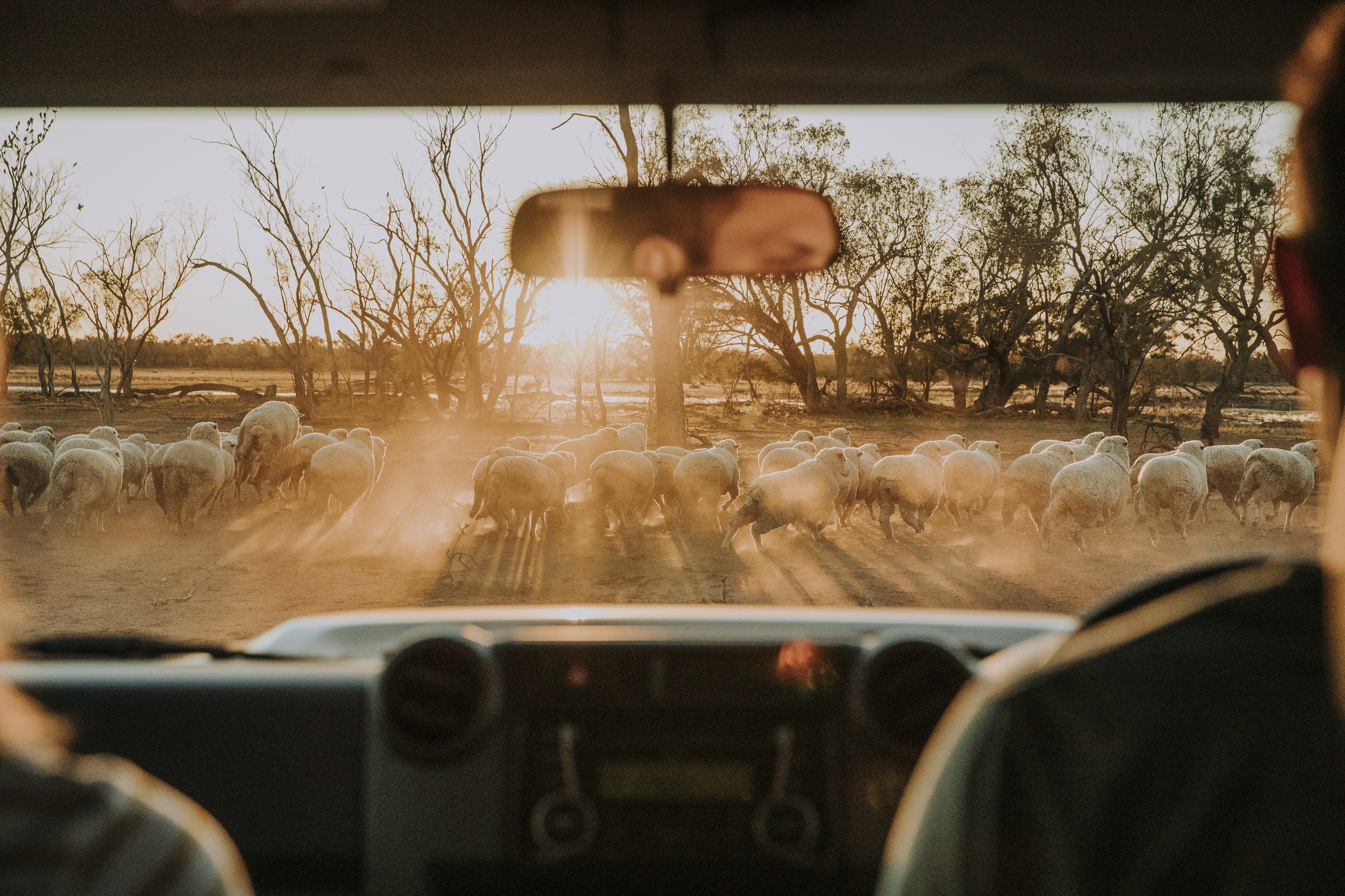
Charlotte Plains is a historic working sheep station and outback tourism destination near Cunnamulla in South West Queensland. Set across approximately 27,000 hectares of pastoral land, natural landscapes, artesian water, floodplains, wildlife habitat and heritage sites, the property operates within a unique and remote environment.
Sustainability at Charlotte Plains is about caring for the land, respecting the realities of station life, reducing environmental impact where practical, and helping guests experience the outback in a responsible and meaningful way.
As both a working property and a tourism destination, Charlotte Plains is committed to continuous improvement across land management, visitor education, infrastructure, water use, waste management, energy efficiency and community contribution.
Our approach to sustainability
Charlotte Plains aims to grow as a tourism destination in a way that protects the qualities that make the property special: its open landscapes, artesian bathing experiences, wildlife, pastoral heritage, remote setting and connection to Outback Queensland.
Operating in a remote outback environment means access to services, freight, contractors, recycling facilities and infrastructure can be limited. For this reason, sustainability initiatives must be practical, achievable and suited to the realities of a working station.
Our current sustainability focus includes responsible land and visitor management, using solar power where possible, reusing water where practical, improving waste and recycling practices, supporting local and regional suppliers, protecting historic sites, and progressing toward tourism eco-certification.
Caring for the land and wildlife
Charlotte Plains encourages guests to explore the property respectfully and minimise their impact on the natural environment.
Visitors are asked to remain on designated roads, tracks and guest-accessible areas to reduce land degradation, protect vegetation, minimise erosion and avoid unnecessary disturbance to wildlife habitats. Tourism areas and tour stops are concentrated within designated guest zones to help balance visitor experience with environmental, operational and heritage considerations.
Roads and guest-accessible areas are monitored regularly. During wet weather or unsafe conditions, roads may be temporarily closed to prevent track damage, reduce erosion and protect guest safety.
Guests are also encouraged to dispose of waste responsibly, leave campsites and bathing areas clean, and respect wildlife, vegetation, historic structures and natural landscapes.
Water, energy and waste
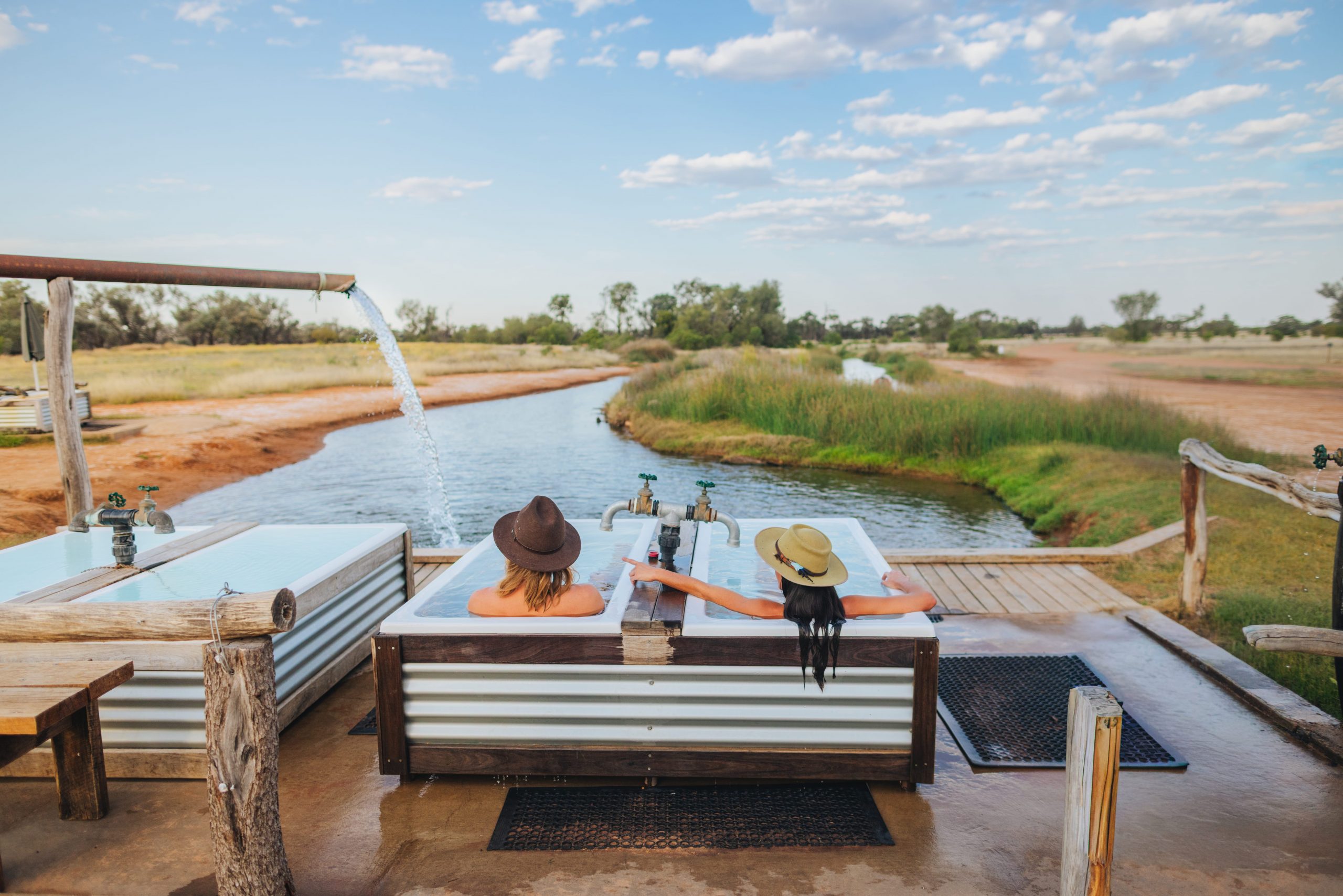
The artesian bore baths are one of Charlotte Plains’ most loved and recognisable experiences. Guests are invited to enjoy the natural artesian water while also respecting the environment that supports it.
Where practical, artesian bore water is reused within property operations. Staff accommodation facilities also utilise a grey water system, where wastewater is filtered and reused through drip irrigation in surrounding garden areas.
Charlotte Plains uses solar power systems across key tourism infrastructure and facilities where possible. Energy use is managed practically within the remote operating environment, and infrastructure upgrades are considered with long-term sustainability, efficiency and maintenance outcomes in mind.
Waste management is also approached within the practical limitations of a remote outback setting. Aluminium cans and bottles are collected and recycled through facilities in Cunnamulla where practical, waste collection points are provided throughout guest-accessible areas, and guests are encouraged to dispose of rubbish responsibly.
Responsible visitor experiences
Charlotte Plains delivers conservation and land management messages through guest communication, signage, maps, staff interaction, the printed Tour Book and the self-drive audio guided tour.
These resources help guests understand the property’s history, environment, pastoral operations, artesian water systems, wildlife, road conditions and responsible travel expectations.
Key visitor messages include staying on designated roads and tracks, respecting wildlife and natural areas, disposing of waste responsibly, taking care around historic structures, avoiding closed or wet roads, and leaving campsites and bathing areas clean for the next guests.
The self-drive audio guided tour also supports responsible visitor movement by directing guests to designated points of interest and reducing the need for frequent organised vehicle transport across the station.
Protecting heritage, culture and landscapes
Charlotte Plains aims to provide guest information and interpretation that is authentic, respectful, accurate and representative of the property’s history, environment and outback setting.
Interpretation is shared through signage, the self-drive audio guided tour, printed Tour Book, staff interaction, website content and promotional materials. Storytelling draws on family history, station history, pastoral operations, lived experience, historical records and environmental knowledge.
Key interpretation areas include family and station history, outback and pastoral lifestyle, artesian bore and water history, wildlife and the natural environment, and historic landmarks including The Bore, Jack’s Hut, The Woolshed and The Cemetery.
Where Indigenous history or stories are referenced, Charlotte Plains aims to present information carefully and respectfully. The business acknowledges that limited historical information is available regarding the original Traditional Owners of the land and avoids unsupported or inaccurate cultural claims.
Supporting the region
Sustainability at Charlotte Plains also includes supporting the broader region.
Charlotte Plains maintains positive relationships with local and regional communities, organisations and stakeholders, including Paroo Shire Council and regional tourism bodies. The business supports and participates in regional events, tourism initiatives and community activities, and engages local and regional suppliers, contractors and support staff where possible.
By encouraging travellers to visit, stay longer and explore the wider Cunnamulla and Paroo Shire region, Charlotte Plains contributes to regional dispersal, local spending and the ongoing strength of Outback Queensland tourism.
Recent improvements
Over the past 12 months, Charlotte Plains has continued investing in guest experience, infrastructure, interpretation and responsible tourism management.
Recent improvements include:
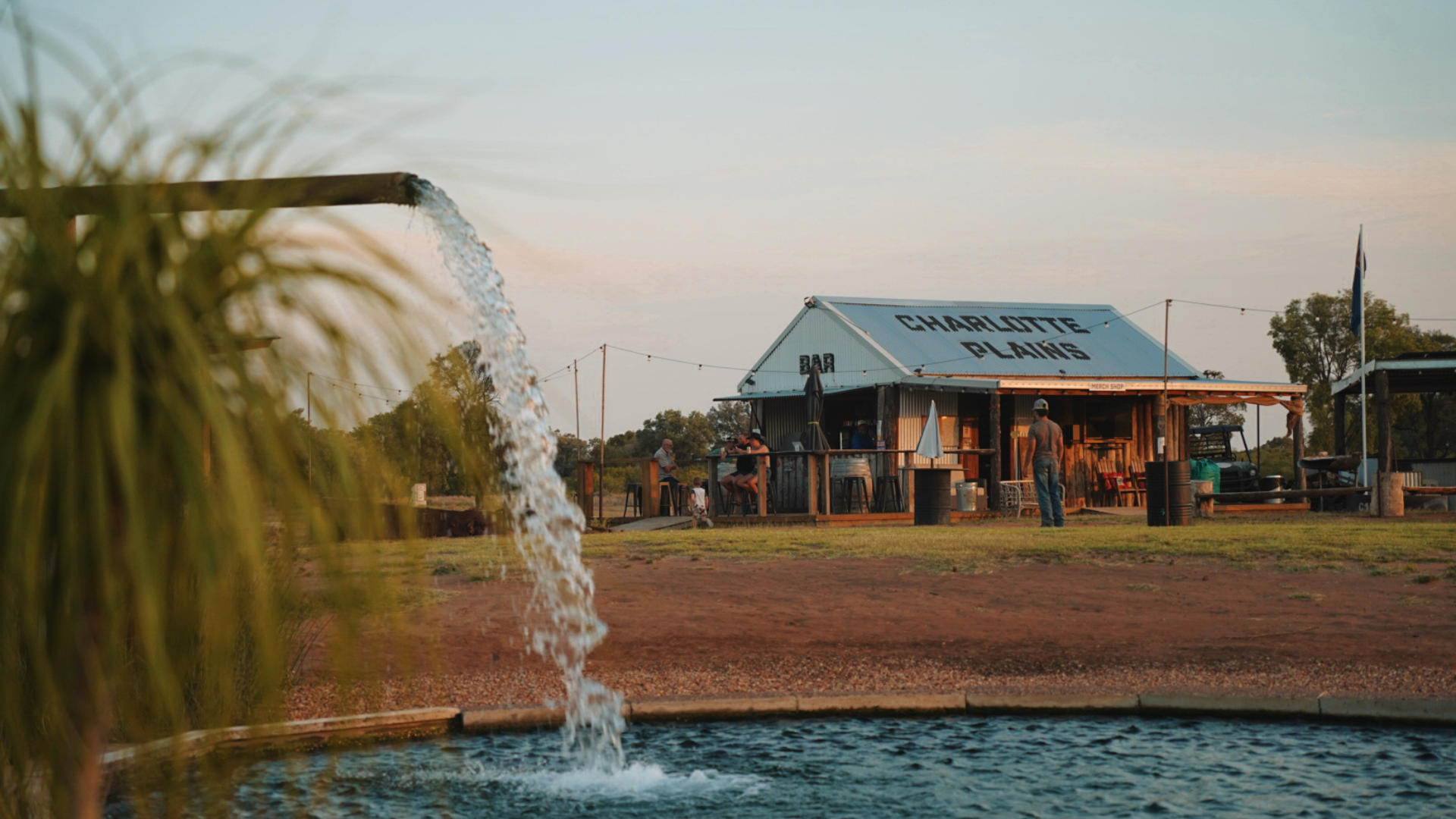
- extension of the artesian bore pool area, including new decking and bench seating
- installation of an accessible entry rail into the bore pool to improve inclusivity and safety
- addition of picnic tables and umbrellas to increase shade and comfort for guests
- refurbishment of accommodation, including new paint and flooring upgrades
- ongoing road grading to improve key tourism routes across the property
- installation of informational signage at key landmarks across the property
- introduction of a self-drive audio guided tour to enhance independent exploration
- expansion of the Anzac Day Dawn Service into a free community event
What we’re working toward
Over the next 12 months, Charlotte Plains plans to continue its focus on sustainable growth, improved facilities and enhanced visitor amenities while further strengthening its position as a leading outback tourism destination.
Future priorities include:
- achieving tourism eco-certification
- construction of a new bathroom and amenities block
- development of additional waterfront campsites
- refurbishment and enhancement of outdoor bathing facilities
- potential development of a new bar extension and guest gathering space
- continued improvement of guest infrastructure, accessibility and onsite interpretation
- ongoing review of environmental management, waste practices, energy efficiency and visitor impact
Continuous improvement
Charlotte Plains recognises that sustainability is an ongoing process, particularly within a remote working station environment.
The business continues to investigate practical sustainability initiatives suited to the property’s location, operations and guest experience, while progressing toward tourism eco-certification.
Charlotte Plains is committed to protecting the land, sharing its stories respectfully, supporting the local region and offering visitors a genuine opportunity to experience Outback Queensland in a responsible and meaningful way.
Learn more about sustainable tourism
Charlotte Plains is working toward certification through Ecotourism Australia, Australia’s peak body for ecotourism and sustainable tourism. Learn more about Ecotourism Australia and its certification programs at https://ecotourism.org.au