
Our History
Charlotte Plains is located within the Paroo Shire, a region rich in Aboriginal history and culture. The Kooma and Kunja peoples have long been associated with this Country. Cunnamulla takes its name from the Kunja language and is understood to mean “long stretch of water” or “big waterhole”, reflecting the enduring importance of water and landscape to local communities.
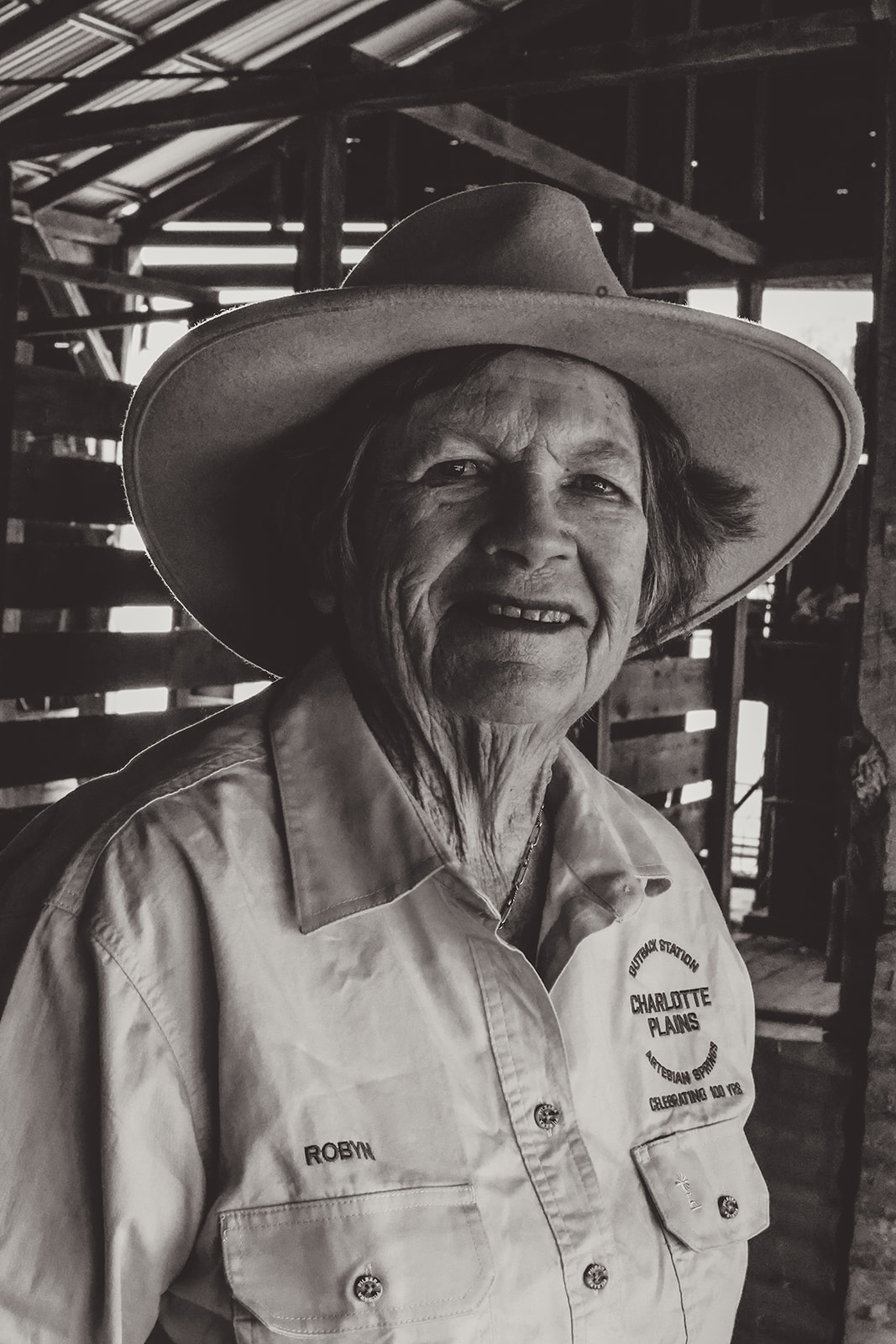
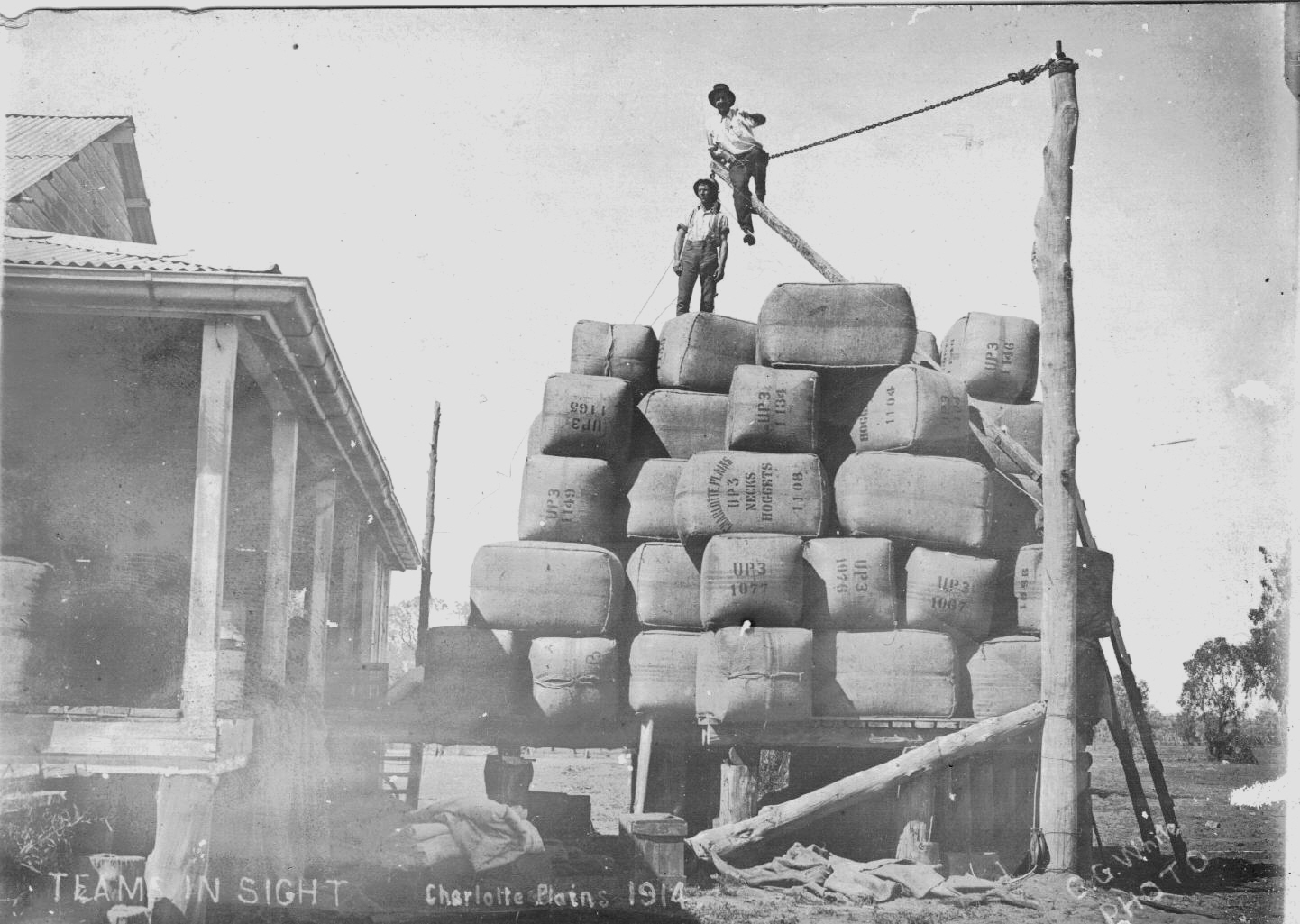
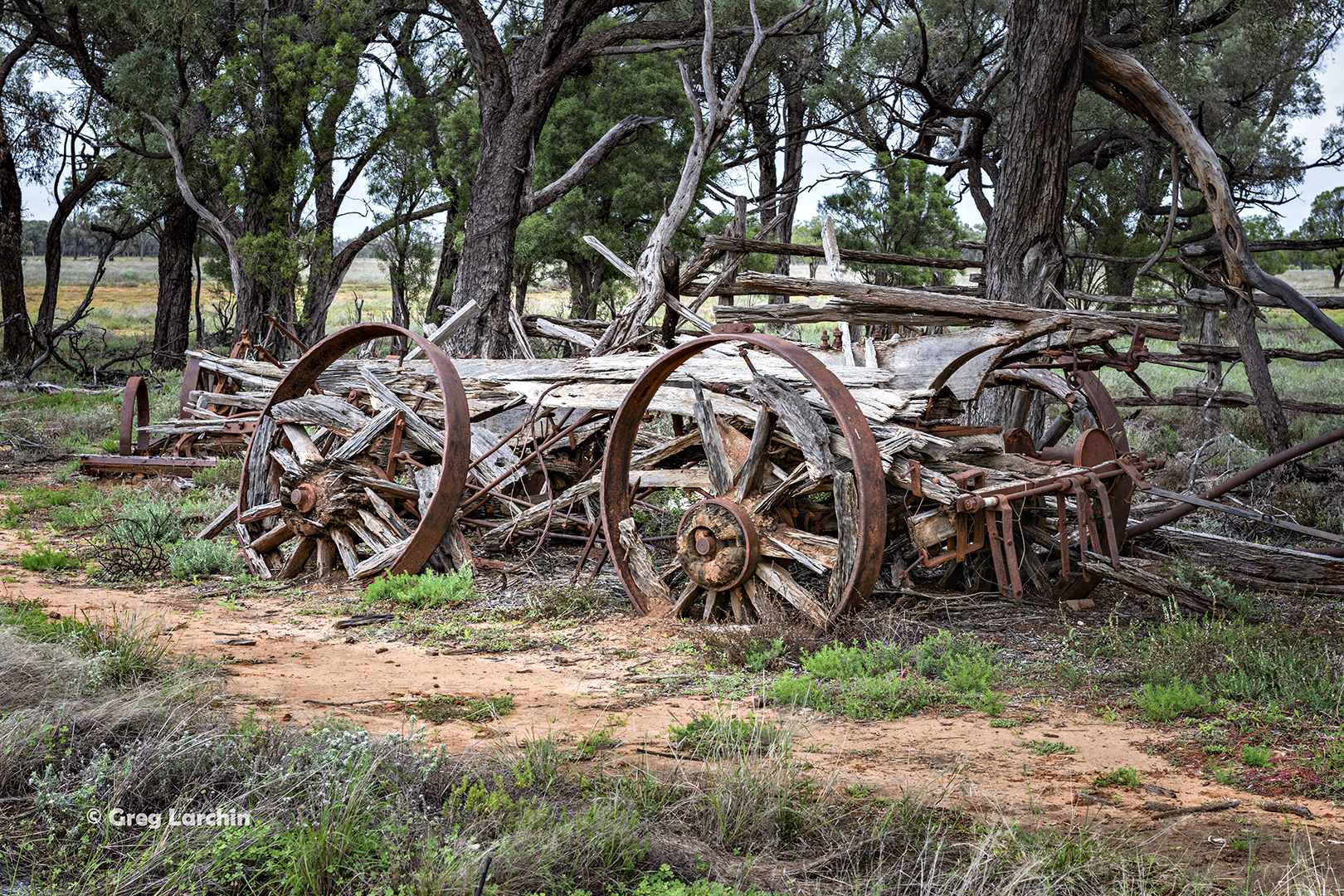
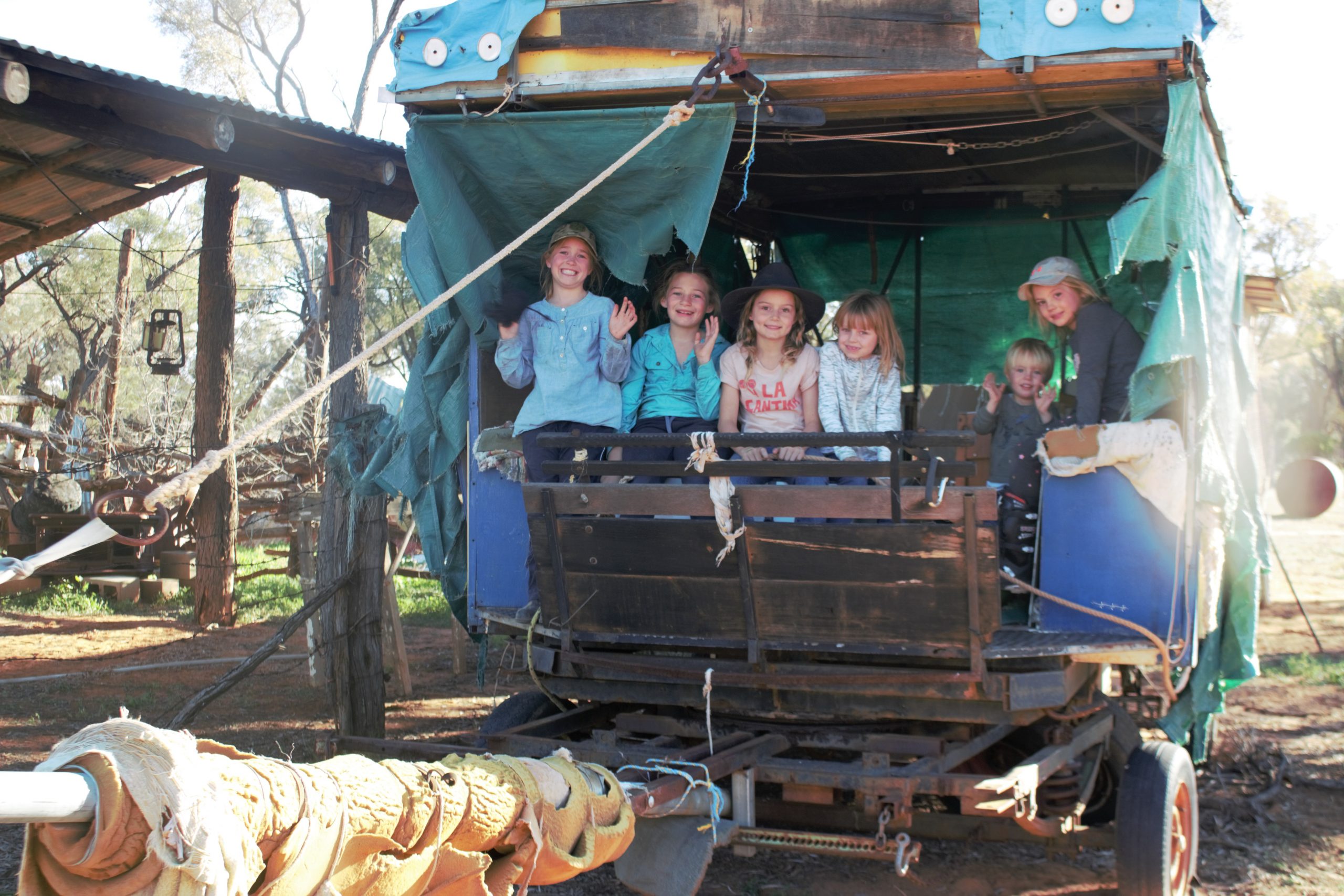
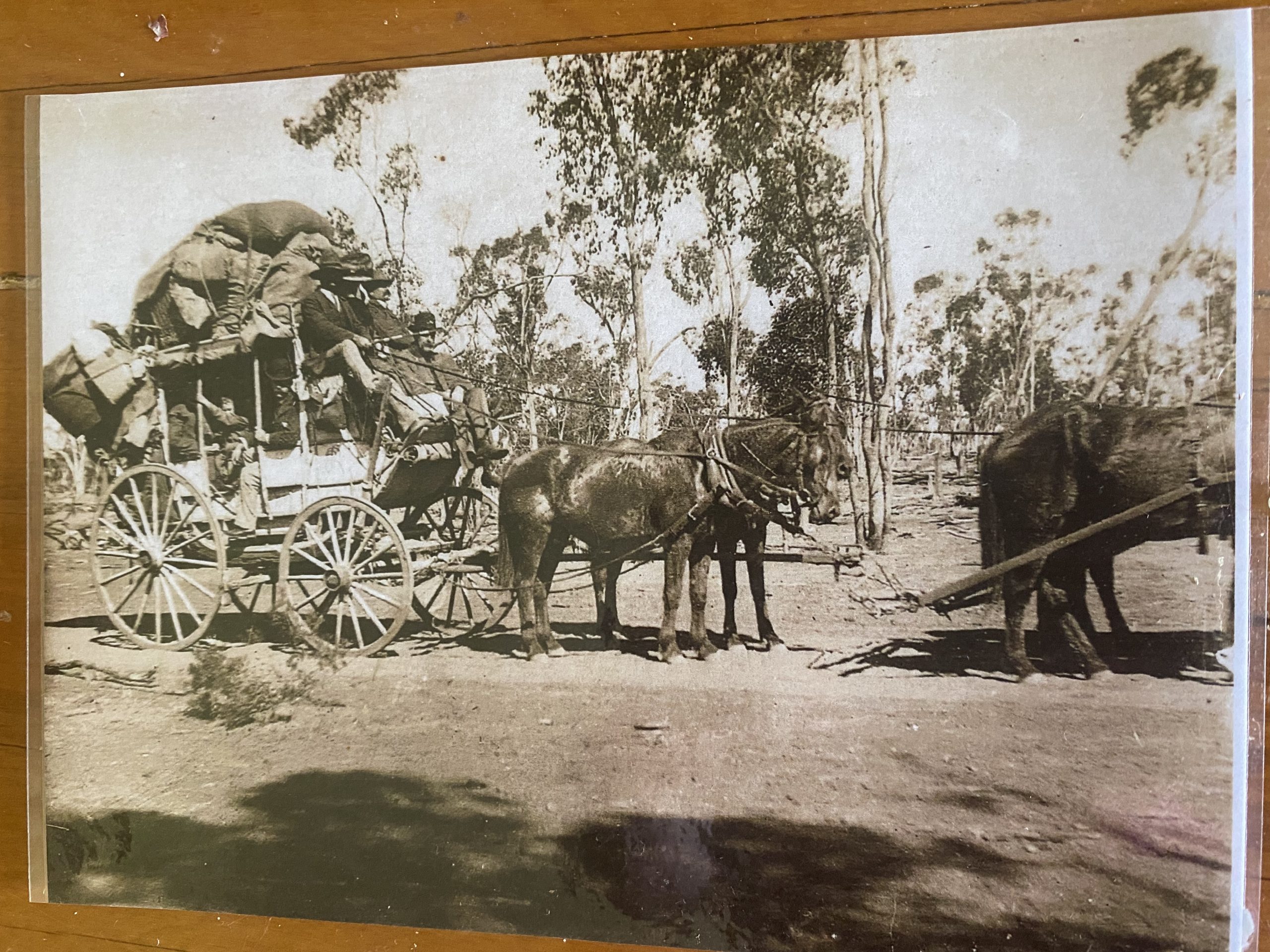
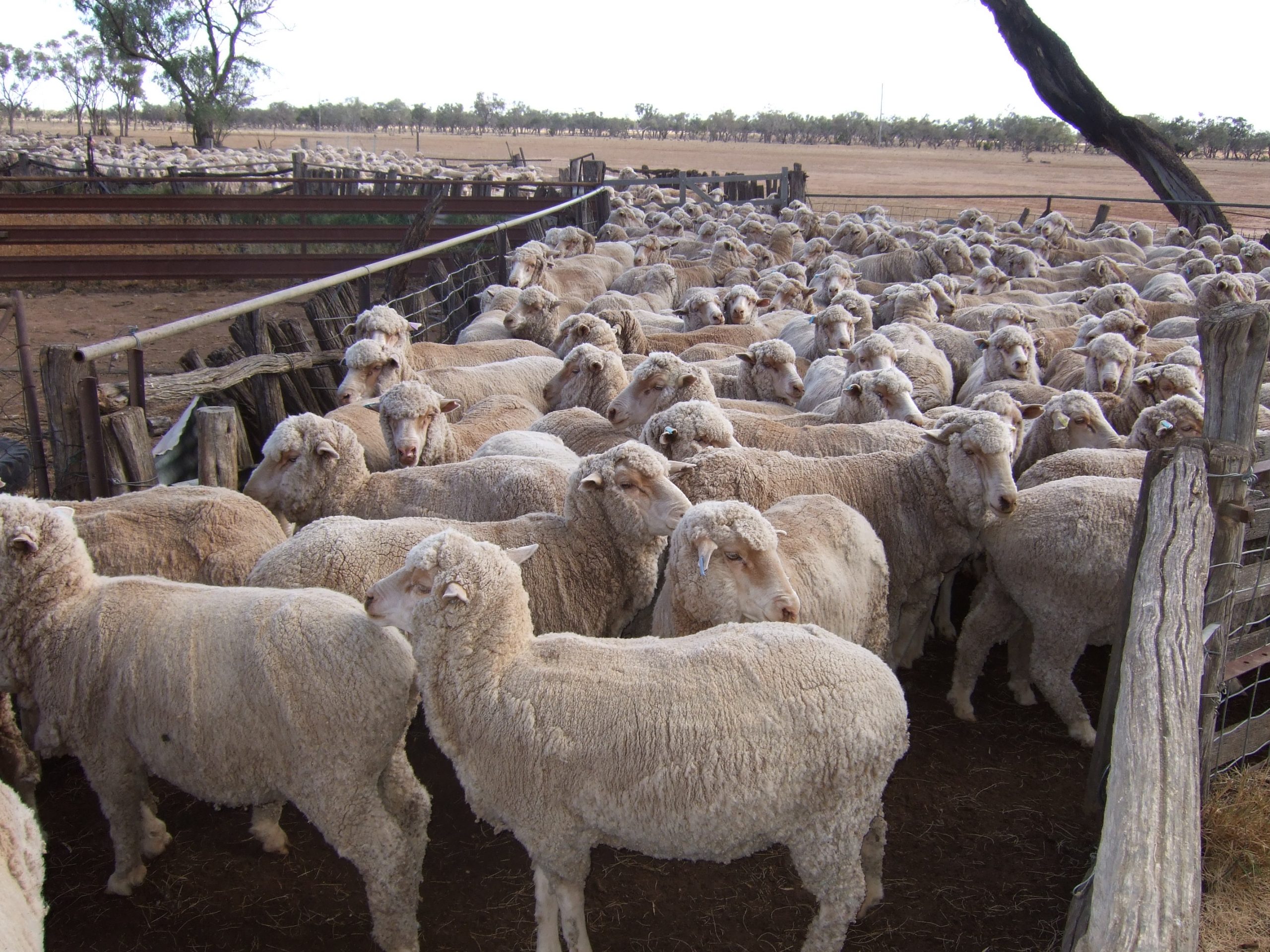
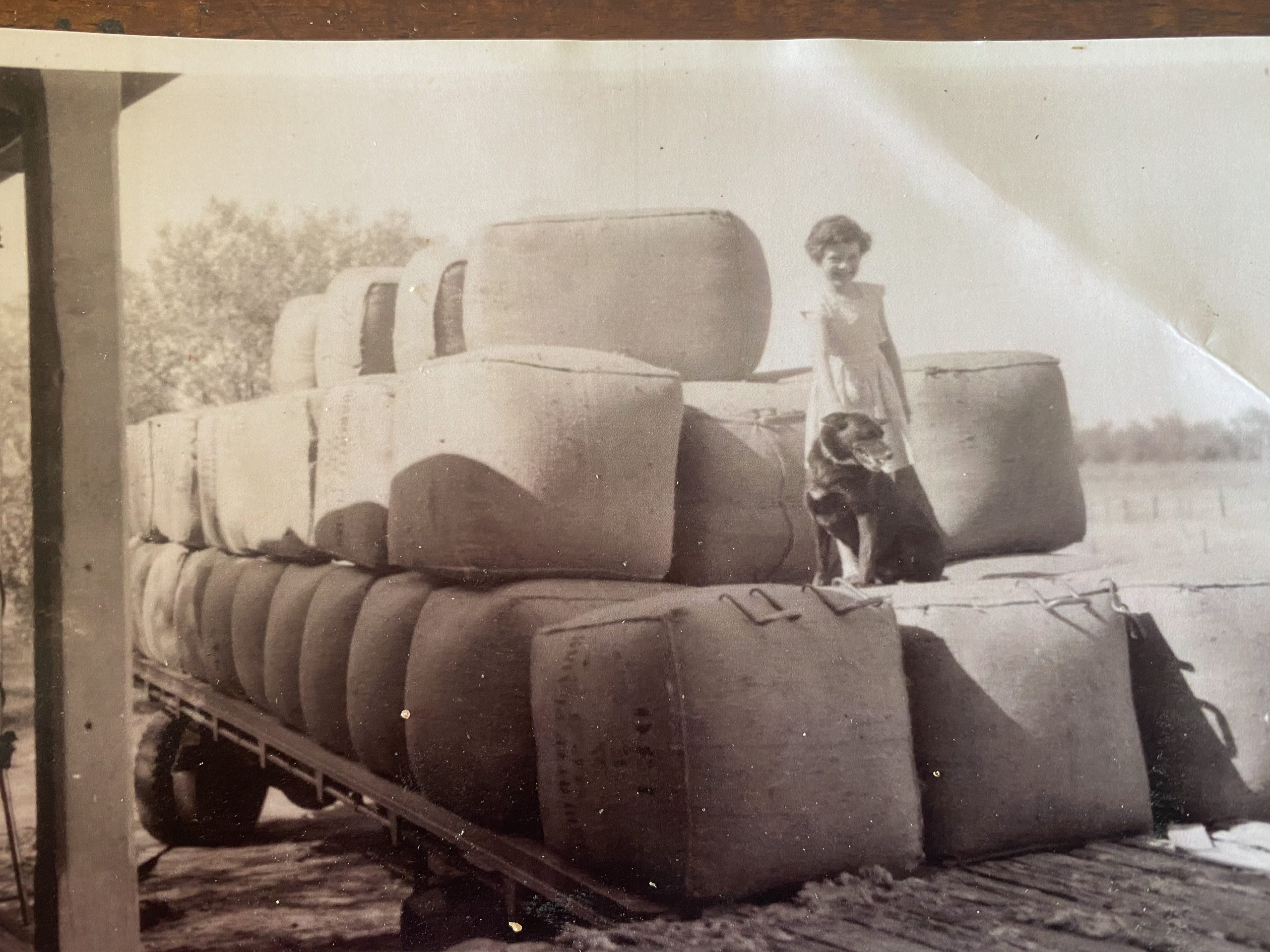
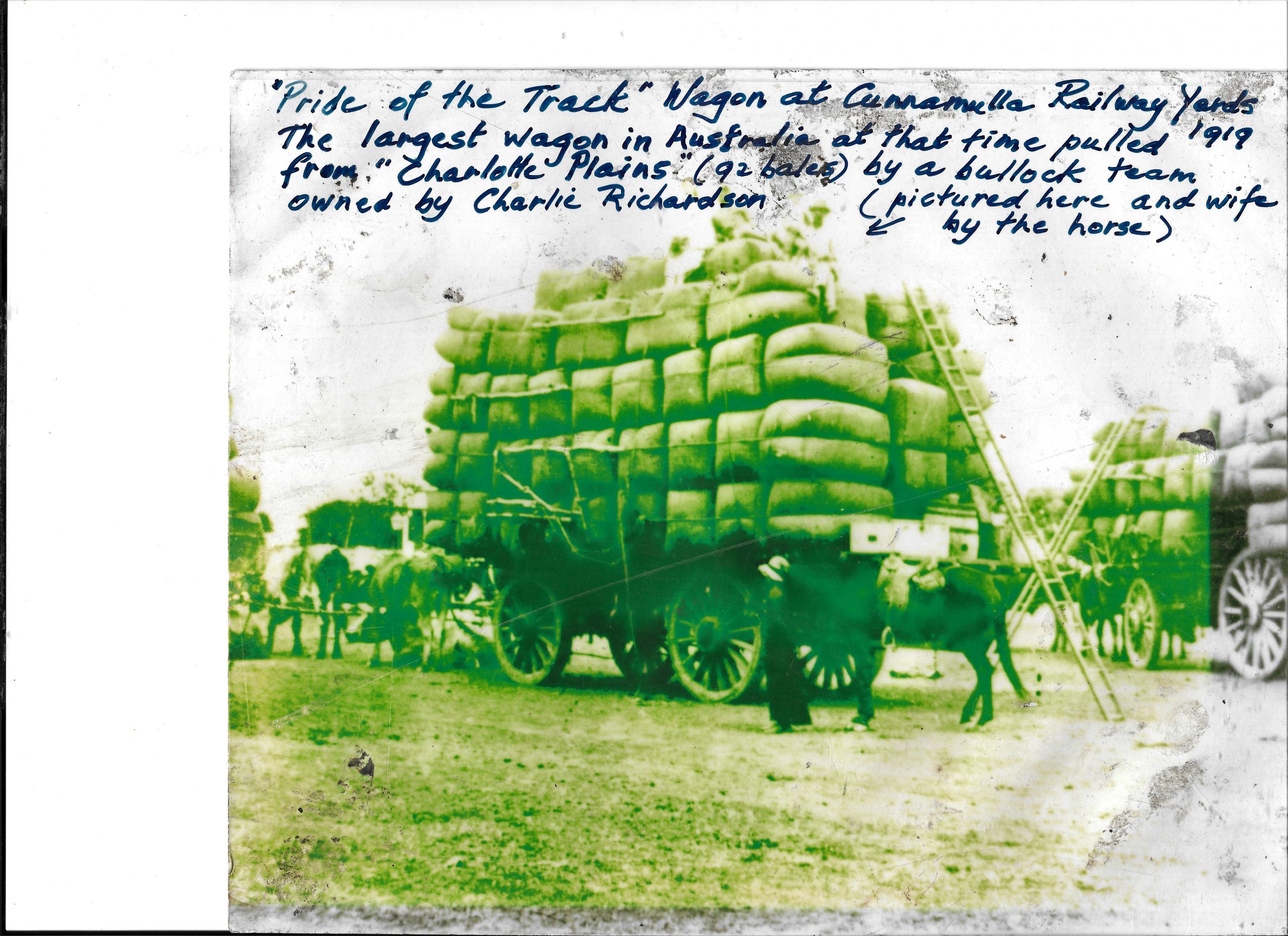
Originally spanning approximately 155,920 hectares (385,280 acres), Charlotte Plains Station was established in the 1860s. By 1914, the property carried more than 67,000 sheep and produced nearly 1,500 bales of wool. In 1923, the Nagel family acquired Charlotte Plains, beginning a family connection that has now continued for more than 100 years. Today, Charlotte Plains is co-owned by Robyn Russell (née Nagel) and her son Robert Russell.
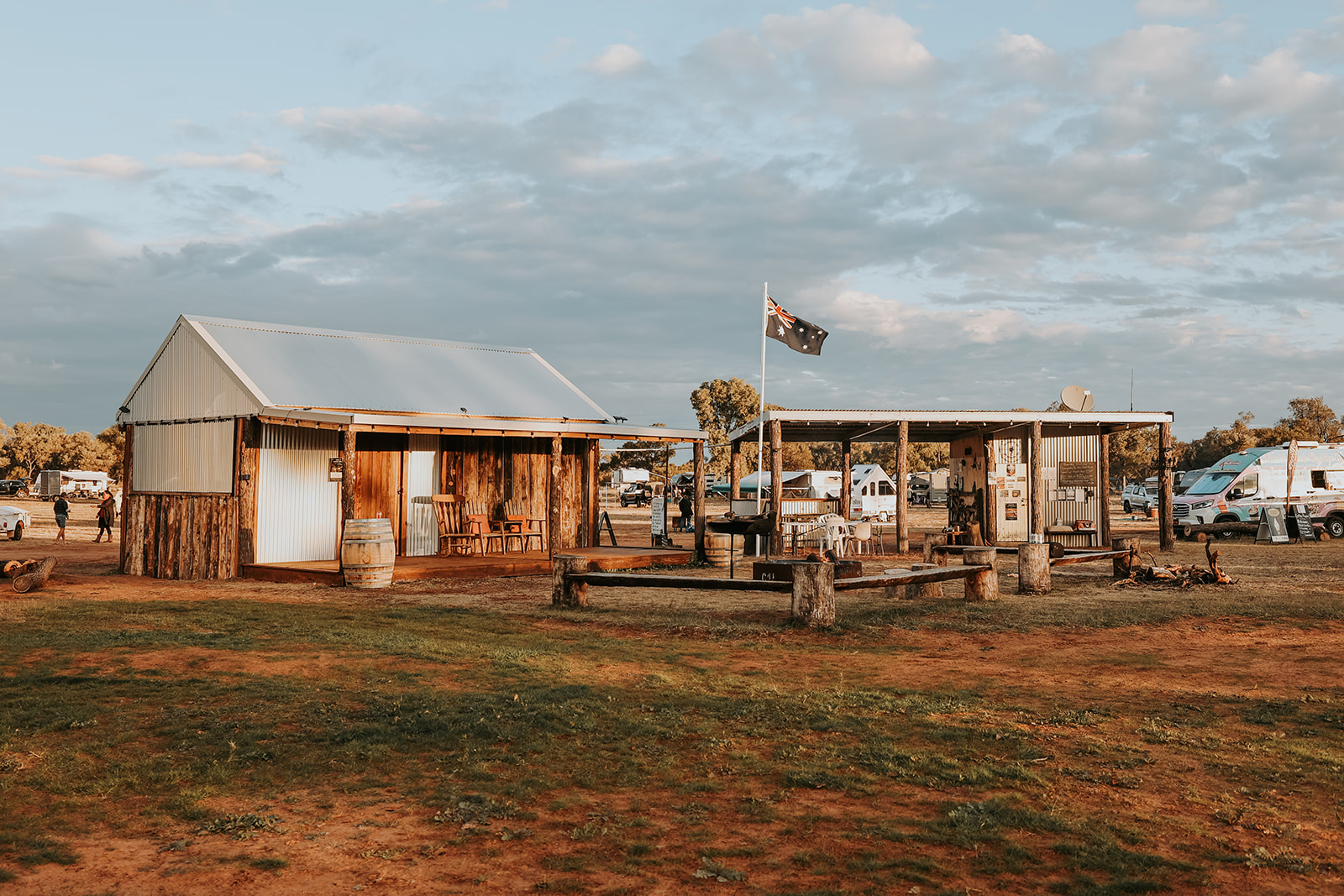
Now spanning approximately 27,000 hectares, Charlotte Plains retains its historical significance while continuing to evolve as a working pastoral station and tourism destination.
In 1892, a bore was drilled 561 metres into the Great Artesian Basin, providing an essential water supply for the property. Initially yielding more than 11 million litres each day, the flow had reduced to just under two million litres daily by the 1970s, but has never stopped.
Historically, the water was distributed through more than 180 kilometres of bore drains. Today, it continues to support the property’s livestock and wildlife, while also forming the basis of Charlotte Plains’ signature artesian bathing experience.
Emerging at approximately 42°C, the mineral-rich water at the Borehead offers visitors a uniquely relaxing soak beneath the open outback sky. In 2019, the bathing experience was enhanced with the introduction of porcelain baths and a panoramic Borehead shower overlooking the surrounding pools.
Originally spanning approximately 155,920 hectares (385,280 acres), Charlotte Plains Station was established in the 1860s. By 1914, the property carried more than 67,000 sheep and produced nearly 1,500 bales of wool. In 1923, the Nagel family acquired Charlotte Plains, beginning a family connection that has now continued for more than 100 years. Today, Charlotte Plains is co-owned by Robyn Russell (née Nagel) and her son Robert Russell.
Now spanning approximately 27,000 hectares, Charlotte Plains retains its historical significance while continuing to evolve as a working pastoral station and tourism destination.
In 1892, a bore was drilled 561 metres into the Great Artesian Basin, providing an essential water supply for the property. Initially yielding more than 11 million litres each day, the flow had reduced to just under two million litres daily by the 1970s, but has never stopped.
Historically, the water was distributed through more than 180 kilometres of bore drains. Today, it continues to support the property’s livestock and wildlife, while also forming the basis of Charlotte Plains’ signature artesian bathing experience.
Emerging at approximately 42°C, the mineral-rich water at the Borehead offers visitors a uniquely relaxing soak beneath the open outback sky. In 2019, the bathing experience was enhanced with the introduction of porcelain baths and a panoramic Borehead shower overlooking the surrounding pools.
Click here to find out more about the Hot Artesian Springs.
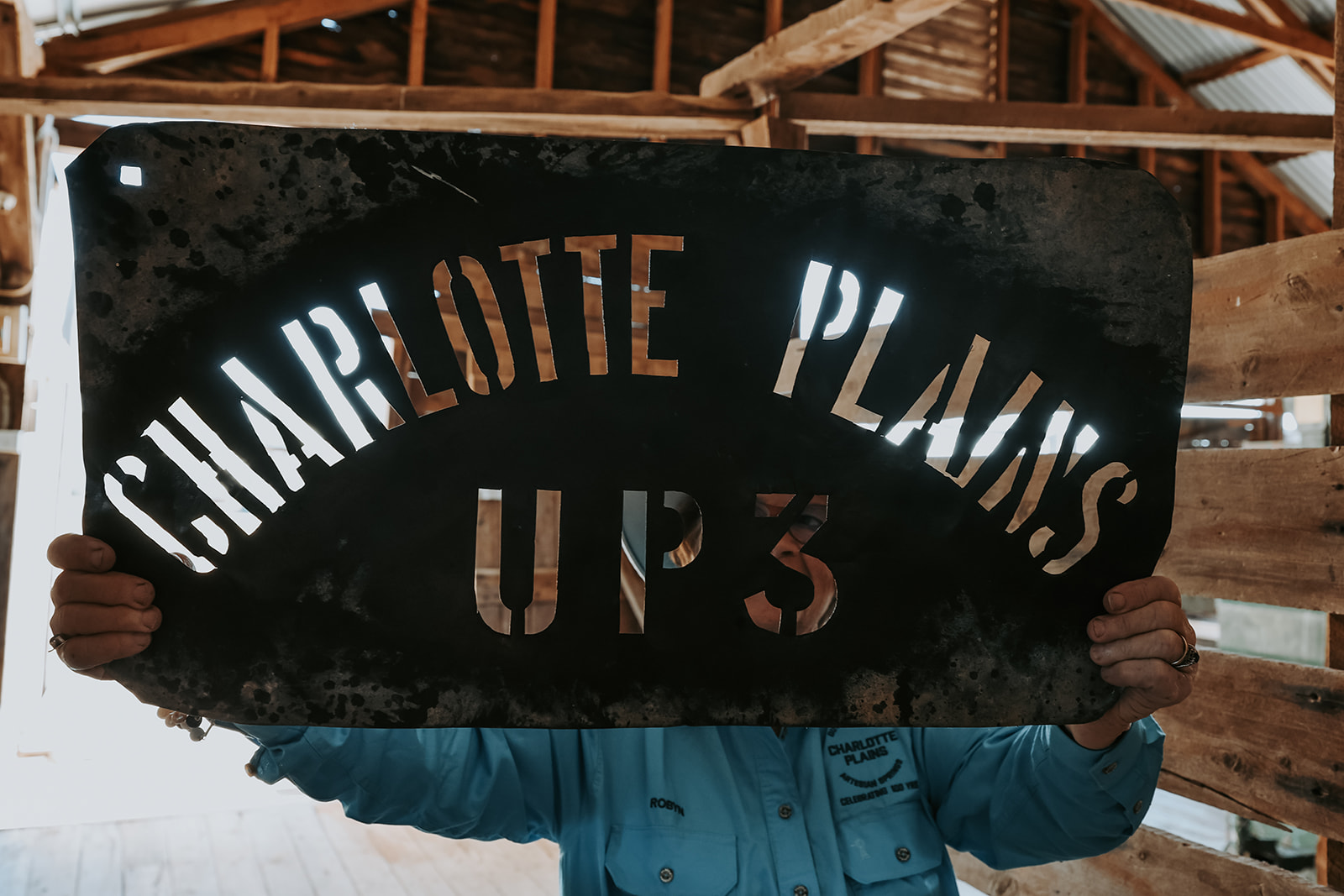
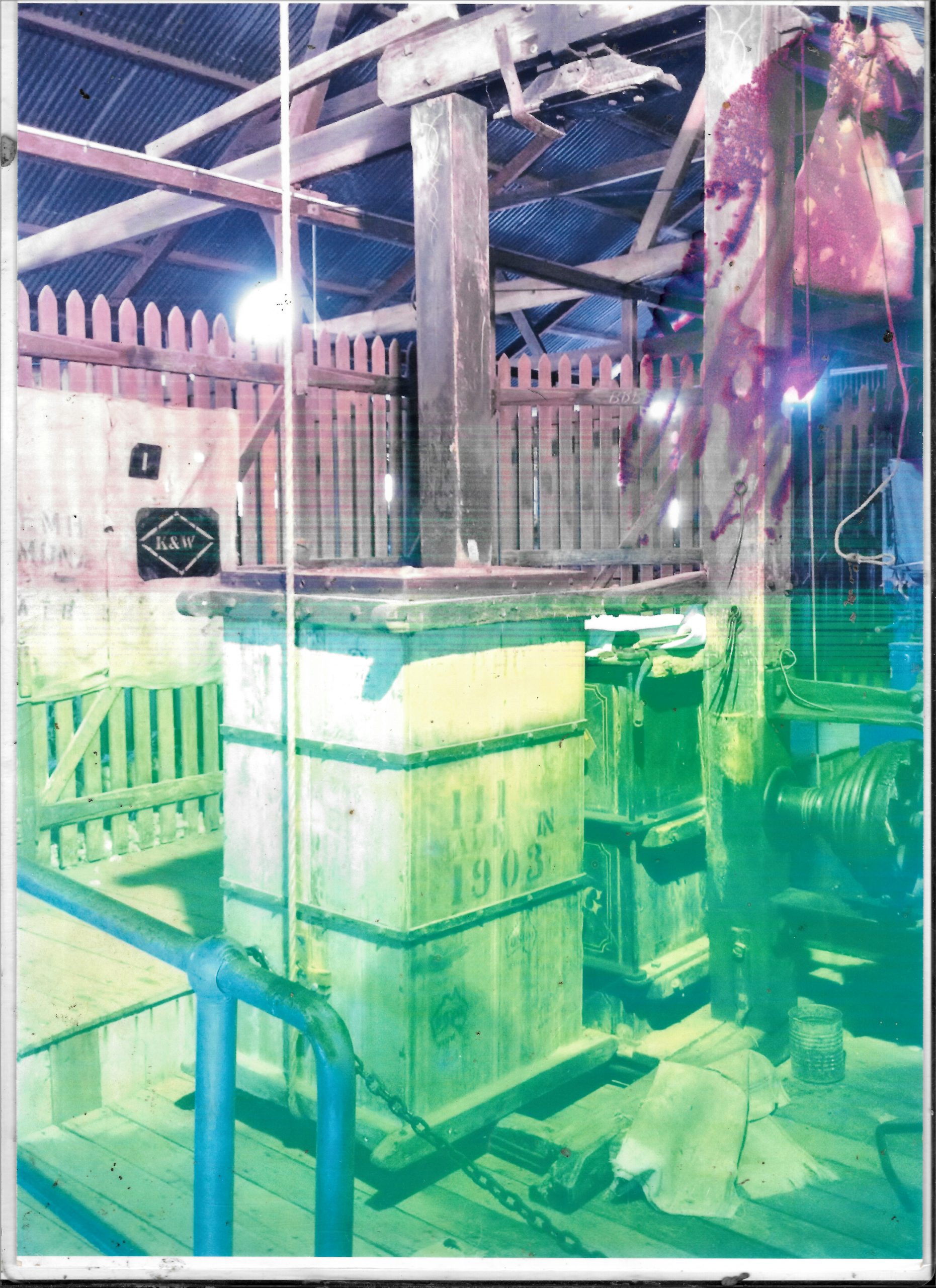
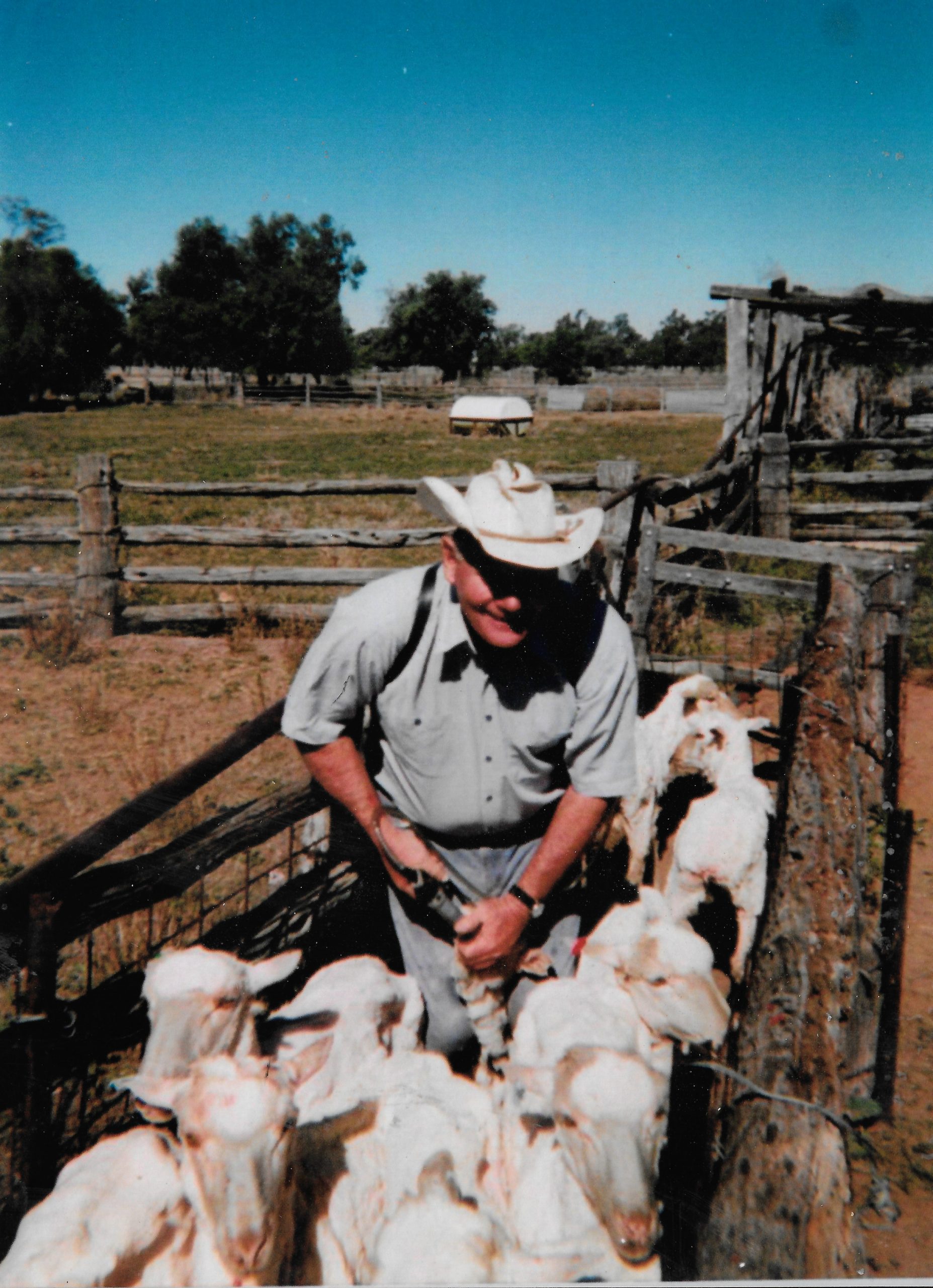
For more than a century, wool production played a central role in life at Charlotte Plains. Over time, drought, changing market conditions and rising operating costs led the station to transition away from wool production and towards meat sheep and cattle.
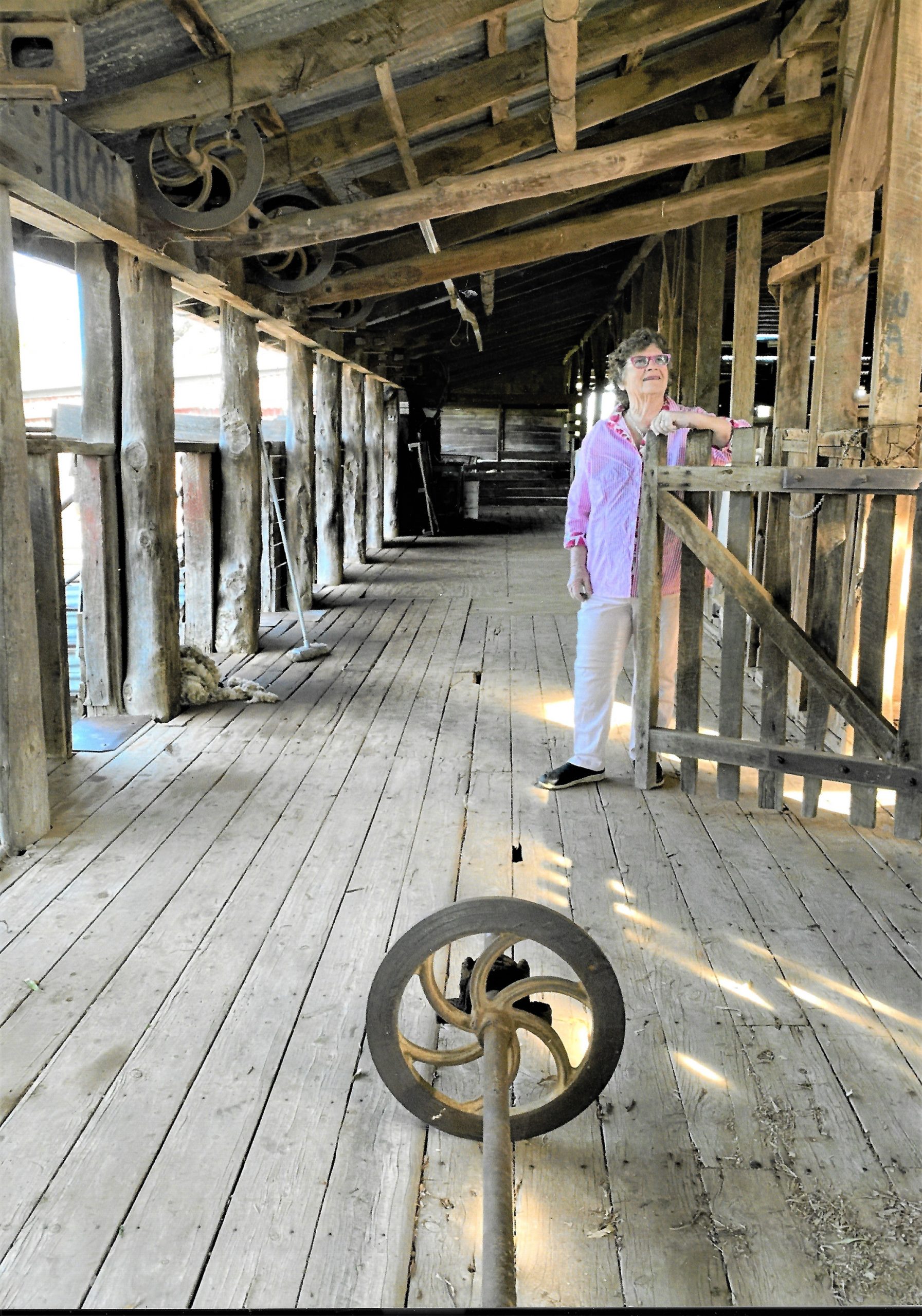
Today, Charlotte Plains runs Dohne rams for meat production, alongside a herd of cattle. The original Woolshed remains an important heritage site and a reminder of the property’s pastoral history, although it is no longer used for shearing.
At the same time, agritourism has become an increasingly important part of Charlotte Plains. Visitors are invited to experience the property’s landscape, history, artesian waters, wildlife and stories while gaining a deeper understanding of life on a working outback station.
Our commitment to responsible outback tourism
Charlotte Plains is committed to caring for the land, supporting the local region and improving sustainability practices across the property.
Read more about Sustainability at Charlotte Plains.
For more than a century, wool production played a central role in life at Charlotte Plains. Over time, drought, changing market conditions and rising operating costs led the station to transition away from wool production and towards meat sheep and cattle.
Today, Charlotte Plains runs Dohne rams for meat production, alongside a herd of cattle. The original Woolshed remains an important heritage site and a reminder of the property’s pastoral history, although it is no longer used for shearing.
At the same time, agritourism has become an increasingly important part of Charlotte Plains. Visitors are invited to experience the property’s landscape, history, artesian waters, wildlife and stories while gaining a deeper understanding of life on a working outback station.
Our commitment to responsible outback tourism
Charlotte Plains is committed to caring for the land, supporting the local region and improving sustainability practices across the property.
Read more about Sustainability at Charlotte Plains.